0086-379-64086155
A metallurgical furnace does not usually lose performance overnight. In many metal processing plants, efficiency declines gradually as heat loss increases, refractory materials become thinner, and key components experience repeated thermal stress. By the time production teams notice longer heating cycles or unstable output, the equipment may already require significant attention.
This is why maintenance plays a critical role in the long-term operation of a metallurgical furnace. Keeping a furnace in good condition requires more than replacing damaged parts. It involves understanding how different components respond to high temperatures, identifying early signs of wear, and adjusting maintenance strategies according to actual operating conditions.
For any metallurgy furnace used in demanding industrial environments, reliability is closely connected with maintenance quality. A well-planned approach can help reduce unexpected shutdowns, maintain thermal efficiency, and extend the working life of the equipment while supporting more stable production processes.
The working environment of a metallurgical furnace places continuous pressure on its structure and internal components. High temperatures, chemical reactions, and repeated operating cycles all contribute to gradual material degradation. Understanding these causes is the first step toward developing an effective maintenance plan.
Thermal stress is one of the most common reasons for premature wear. During operation, furnace materials expand when heated and contract during cooling. Repeated temperature changes can create internal stress, leading to cracks, deformation, and reduced structural strength over time.
Chemical exposure is another major factor. During metal melting and processing, molten materials, slag, and high-temperature gases may react with furnace lining materials. If the protective layer becomes damaged, heat loss increases and the furnace structure may be exposed to more severe conditions.
Operating practices also influence equipment lifespan. Excessive loading, unstable temperature control, improper material charging, or insufficient cooling periods can accelerate wear. Even a high-quality metallurgy furnace requires suitable operating conditions to maintain stable performance over time.
| Major Wear Factor | Impact on Furnace Operation | Maintenance Consideration |
|---|---|---|
| Thermal stress | Creates cracks and weakens materials | Monitor temperature changes and inspect affected areas |
| Refractory damage | Reduces insulation performance and increases heat loss | Repair or replace worn lining sections |
| Improper operation | Causes unstable performance and higher operating costs | Optimize operating procedures and parameters |
A maintenance program is only effective when inspections focus on the parts most exposed to wear. For a metallurgical furnace, several key areas require regular evaluation because their condition directly affects safety, efficiency, and production stability.
The refractory lining is one of the most important inspection areas. It protects the furnace shell from extreme temperatures and chemical attack. Small cracks or areas of erosion may not immediately stop production, but they can gradually reduce thermal efficiency and shorten equipment life.
The furnace shell and supporting structure should also be checked regularly. Abnormal deformation, corrosion marks, or unusual surface temperatures may indicate internal problems that cannot be seen during normal operation.
Heating systems and temperature control components require careful monitoring as well. Uneven heating, delayed temperature response, or inaccurate readings can affect metal quality and increase energy consumption.
In addition, sealing components, electrical connections, sensors, and ventilation systems should not be overlooked. These supporting parts play an important role in maintaining stable operation of the entire metallurgy furnace system.
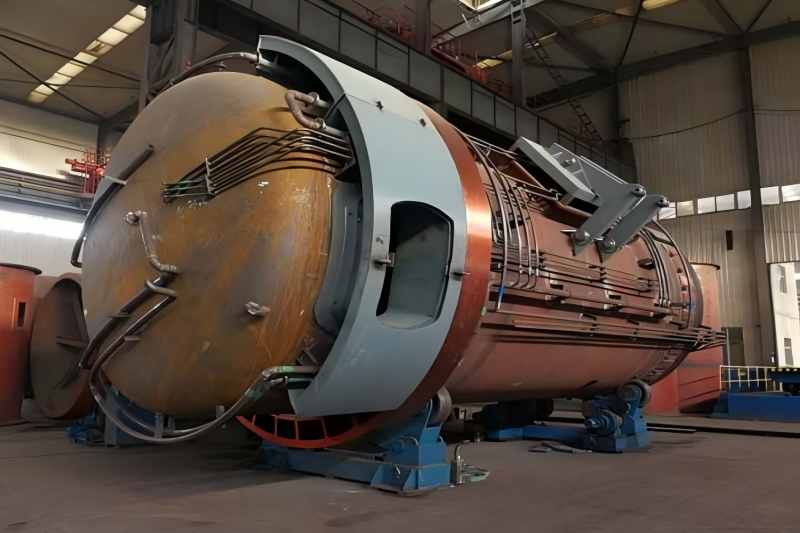
Unexpected shutdowns are often more costly than planned maintenance because they interrupt production schedules and may cause damage to other connected equipment. A preventive maintenance approach allows operators to address potential issues before they develop into major failures.
Regular inspections should be combined with operating data analysis. Temperature records, energy consumption trends, and production performance can provide useful information about changing furnace conditions. When these indicators begin to shift, maintenance teams can investigate the cause before equipment performance declines further.
Cleaning and adjustment are also essential parts of daily maintenance. Material buildup, loose connections, or incorrect component settings can gradually affect furnace efficiency. Addressing these smaller issues helps prevent larger repair requirements in the future.
Component replacement should also be planned according to actual wear conditions. Waiting until a part fails completely may increase repair time and create additional damage. Replacing critical components at the right stage helps maintain consistent production performance.
For companies reviewing furnace performance or planning equipment improvements, CICE offers industrial furnace solutions designed for different production requirements. The company’s technical team can provide further consultation based on operating conditions, application needs, and equipment selection considerations.
A metallurgical furnace usually provides several warning signs before a serious failure occurs. Recognizing these changes early allows maintenance teams to respond before production efficiency is affected.
One common indication is unstable temperature control. If the furnace cannot maintain consistent heating conditions, the cause may involve damaged heating elements, sensor errors, insulation problems, or control system issues.
Higher energy consumption is another important signal. A furnace that requires more energy to achieve the same production output may have problems related to heat loss, refractory deterioration, or sealing performance.
Physical changes should also receive attention. Cracks, unusual sounds, increased vibration, smoke leakage, or abnormal surface temperatures can indicate developing problems inside the equipment.
| Maintenance Warning Sign | Possible Cause | Recommended Inspection Area |
|---|---|---|
| Unstable furnace temperature | Heating or control system issues | Sensors, heating components, control units |
| Increasing energy consumption | Heat loss or insulation failure | Refractory lining and sealing system |
| Visible cracks or deformation | Thermal or mechanical stress | Furnace structure and internal lining |
Refractory materials determine how effectively a metallurgy furnace can withstand high-temperature environments. These materials must maintain strength while resisting heat, chemical reactions, and repeated thermal cycling.
Choosing suitable refractory materials requires consideration of the working environment. Different metals, processing temperatures, and slag compositions create different challenges. A material that performs well in one application may not provide the same durability under another set of conditions.
However, refractory quality alone cannot guarantee long service life. Operating conditions have an equally important influence. Rapid temperature changes, excessive loading, and unstable production processes can accelerate damage even when high-performance materials are used.
Maintaining stable operating parameters helps protect both the furnace lining and internal components. Proper temperature management, controlled material handling, and regular condition checks all contribute to longer equipment life.
Traditional furnace maintenance often relies on scheduled inspections or repairs after visible problems appear. While this approach remains useful, predictive maintenance is changing how companies manage modern metallurgical furnace systems.
Predictive maintenance uses monitoring technologies and operating data to identify early changes in equipment condition. Information such as temperature trends, energy consumption patterns, and component performance can help maintenance teams understand when intervention may be required.
This approach allows companies to move away from reactive repairs and make more informed maintenance decisions. Instead of waiting for equipment failure, operators can plan service activities based on actual furnace conditions.
As industrial production continues to focus on efficiency and reliability, predictive technologies will become increasingly valuable for metallurgy furnace management. Combining equipment knowledge with real-time monitoring can help manufacturers reduce downtime and improve long-term operational stability.
Extending the service life of a metallurgical furnace requires continuous attention to equipment condition, operating practices, and maintenance planning. Wear caused by thermal stress, refractory damage, and improper operation can gradually reduce performance if problems are not identified early.
A reliable maintenance strategy combines regular inspection, preventive repair, suitable material selection, and advanced monitoring methods. These practices help reduce unexpected shutdowns, maintain energy efficiency, and support stable metal processing operations.
For industrial users, furnace maintenance is not only about protecting equipment but also about improving production reliability and controlling long-term operating costs. With appropriate equipment selection and professional technical support, companies can achieve better performance throughout the working life of their furnace systems.
Inspection frequency depends on operating temperature, production intensity, furnace design, and material conditions. Regular inspections should be arranged according to actual equipment usage.
The refractory lining, heating system, temperature control components, sealing parts, and structural areas usually require the most attention.
Refractory materials protect the furnace structure from heat and chemical damage. Proper selection and maintenance help improve durability and reduce heat loss.
Temperature instability, higher energy consumption, visible cracks, unusual noise, and reduced heating efficiency are common warning signs.
Preventive maintenance, regular inspections, condition monitoring, and timely replacement of worn components can help reduce unexpected failures.
Predictive maintenance uses equipment data to identify early performance changes, allowing operators to arrange maintenance before serious problems occur.


Contact Us
 English
  日本語
日本語  français
  Deutsch
  Español
  italiano
  русский
  português
  العربية
  română
  Nederland


 日本語
日本語