0086-379-64086155
A stable forming process is the result of many small factors working together. In the operation of a ball pressing machine, the quality of the final product is influenced long before the material reaches the forming chamber. Raw material preparation, pressure control, equipment condition, and operating adjustments all shape the efficiency of the entire production process.
When a production line begins to experience problems such as inconsistent ball strength, reduced output, or higher operating costs, the cause is often not a single component failure. Instead, these changes usually reflect an imbalance between the material, the machine settings, and the surrounding production conditions.
A modern ball pressure machine must do more than generate sufficient forming force. It needs to maintain stable performance under continuous operation while adapting to different material characteristics and production requirements. This is why understanding the factors behind efficiency changes is essential for improving productivity and reducing unnecessary downtime.
By examining the relationship between materials, compression conditions, mechanical stability, and process management, manufacturers can better understand how to maintain reliable ball pressing machine performance throughout long-term industrial production.
The efficiency of a ball pressing machine is closely connected with the condition of the material being processed. Before compression begins, the characteristics of the raw material have already influenced how easily it can be formed and how stable the final product will be.
Factors such as particle size distribution, moisture content, material composition, and bonding characteristics can significantly affect the pressing process. Materials with uneven particle sizes may create inconsistent pressure distribution inside the forming chamber, while unsuitable moisture levels can reduce the strength of formed balls or create problems during continuous operation.
For example, materials with excessive moisture may become sticky and affect smooth feeding, while materials that are too dry may lack sufficient bonding force after compression. In both cases, the ball pressure machine may experience reduced efficiency even when the equipment itself is operating normally.
Proper material preparation allows the machine to work under more stable conditions. Adjusting particle size, controlling moisture content, and ensuring uniform feeding characteristics help improve forming consistency and reduce unnecessary pressure fluctuations during production.
Different industrial applications require different approaches to material handling and equipment configuration. C.I.C. Machinery provides industrial equipment solutions designed according to specific processing requirements. Companies can explore related equipment options through C.I.C. Machinery’s product range.
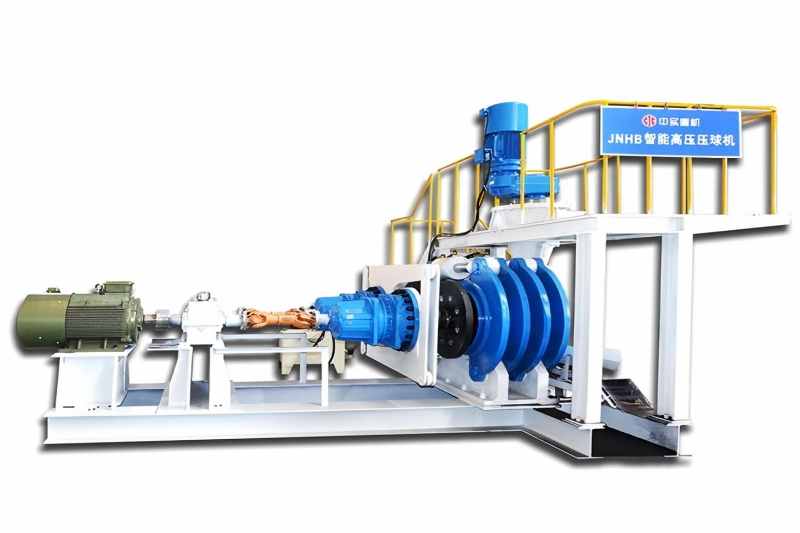
Compression is the core stage where loose materials are transformed into compact forms. For a ball pressing machine, achieving high efficiency does not simply mean applying more pressure. The most effective results come from finding the right balance between pressure, material characteristics, and product requirements.
Insufficient pressure may produce balls with poor density and weak mechanical strength, making them difficult to transport or process further. However, excessive pressure can increase the load on machine components, accelerate wear, and raise energy consumption without necessarily improving product quality.
The correct compression conditions depend on the physical properties of the material. Hardness, particle structure, moisture content, and the intended application of the finished product all influence the required pressing conditions.
| Influencing Factor | Possible Production Impact | Control Approach |
|---|---|---|
| Material moisture level | Changes bonding performance and forming stability | Adjust preparation conditions before pressing |
| Compression pressure | Affects product density and strength | Match pressure settings with material properties |
| Feeding consistency | Influences output stability and product uniformity | Maintain continuous material supply |
| Component condition | Affects long-term efficiency and reliability | Perform regular inspection and maintenance |
A well-controlled compression process enables a ball pressure machine to maintain consistent forming performance while avoiding unnecessary mechanical stress. For industrial users, pressure adjustment is not a one-time setting but an ongoing process that should be monitored according to production conditions.
Even a properly adjusted ball pressing machine will experience changes after long periods of operation. Continuous compression places considerable demands on key components, including forming rollers, bearings, transmission systems, and hydraulic units.
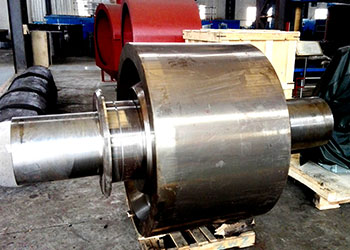
Wear on the forming rollers is one of the most common factors affecting machine efficiency. As the working surface changes over time, the contact between materials and rollers may become less consistent, which can influence forming quality and production capacity.
Mechanical stability is equally important. Problems such as improper alignment, insufficient lubrication, or component wear may cause vibration, abnormal noise, and unstable pressure distribution. If these issues are ignored, they can gradually reduce production efficiency and increase maintenance requirements.
Regular inspection helps operators identify performance changes before they develop into serious problems. Checking critical components, maintaining lubrication systems, and replacing worn parts when necessary can help extend the service life of a ball pressure machine.
Reliable equipment performance depends on both initial design quality and effective operation management. A preventive maintenance approach allows manufacturers to reduce unexpected downtime and maintain more predictable production results.
In continuous industrial production, equipment efficiency is influenced not only by the machine itself but also by the surrounding operating environment. A ball pressing machine must work together with feeding systems, material handling processes, and production schedules to achieve stable output.
Consistent feeding is one of the most important conditions for smooth operation. Irregular material supply can cause fluctuations inside the pressing chamber, resulting in uneven forming quality and additional adjustments during operation.
Operating speed is another factor that requires careful management. Increasing production speed may appear to improve output, but excessive speed can reduce material compression time and affect final product quality. The most efficient operating point depends on the relationship between machine capacity and material characteristics.
Operators also need to pay attention to changes during production. Variations in raw materials, environmental conditions, or equipment response may require adjustments to maintain stable performance.
For users of a ball pressure machine, efficiency comes from maintaining balance throughout the production process. Proper equipment operation, suitable settings, and timely adjustments work together to achieve reliable long-term performance.
Improving the efficiency of a ball pressing machine requires a complete understanding of the production process rather than focusing on one individual factor. Material preparation, compression settings, equipment condition, and operation management all contribute to overall performance.
Process control plays an increasingly important role in modern industrial production. Monitoring changes in output quality, equipment operation, and energy consumption allows operators to identify potential problems earlier and make more effective adjustments.
Maintenance is another essential part of efficiency improvement. Regular inspection of wear components, lubrication systems, and mechanical connections helps prevent unexpected failures and supports continuous production.
In addition, selecting equipment that matches actual production requirements is important for achieving long-term efficiency. A machine designed for the correct material characteristics and operating conditions can provide better stability than equipment selected only based on capacity requirements.
C.I.C. Machinery works with customers to understand different industrial processing requirements and provide suitable equipment solutions. Companies looking for technical support or discussing specific applications can communicate with the engineering team through the engineering consultation channel.
The efficiency of a ball pressing machine is determined by the interaction between materials, equipment design, operating conditions, and maintenance practices. Stable production does not depend on a single adjustment but on maintaining consistency throughout the entire pressing process.
From preparing suitable raw materials and controlling compression conditions to monitoring equipment wear and improving daily operation, every stage influences final performance. A properly managed ball pressure machine can provide reliable output, lower operational disruptions, and better production value over time.
For industrial users, improving efficiency begins with understanding the relationship between the machine and the complete production system. With proper process control and maintenance strategies, manufacturers can achieve more stable and sustainable ball pressing operations.
The main factors include material preparation, compression pressure, feeding stability, equipment condition, and maintenance practices.
Material properties such as particle size, moisture content, and composition influence forming quality, product strength, and machine stability.
Pressure should be adjusted according to material characteristics and product requirements to achieve suitable density without causing excessive machine stress.
Important components include forming rollers, bearings, hydraulic systems, transmission parts, and lubrication systems.
No. Excessive speed may reduce forming quality and increase equipment stress if it exceeds suitable operating conditions.
Service life can be extended through proper material preparation, correct operation settings, regular inspection, and preventive maintenance.



Contact Us
 English
  日本語
日本語  français
  Deutsch
  Español
  italiano
  русский
  português
  العربية
  română
  Nederland


 日本語
日本語