0086-379-64086155
When a solid-liquid separation process begins to lose efficiency, the problem is not always related to machine capacity or operating speed. In many cases, the root cause can be traced back to an early equipment selection decision, such as choosing a centrifuge that does not fully match the material characteristics or production requirements.
A vertical centrifuge machine is expected to handle demanding separation tasks while maintaining stable performance over long operating periods. However, factors such as feed composition, required moisture level, processing volume, and maintenance conditions can greatly influence the final results. A machine that performs well in one application may not achieve the same efficiency in another environment.
For this reason, selecting a vertical centrifuge machine requires more than reviewing technical specifications. Understanding how the equipment interacts with the actual process is the foundation for achieving reliable solid-liquid separation and controlling long-term operating costs.
The material entering the centrifuge determines many of the requirements that the equipment must meet. A vertical centrifuge machine that works effectively with one type of feed may produce different results when handling materials with different particle sizes, concentrations, or moisture characteristics.
Particle size is one of the first factors engineers usually evaluate. Larger and heavier particles are generally easier to separate, while fine particles may remain suspended in liquid and require different separation conditions. The distribution of particle sizes can influence the required operating parameters and overall separation efficiency.
The concentration of solids in the feed is another factor that affects equipment selection. A material with a high percentage of solids may create a heavier processing load and require a machine designed for continuous and stable operation. In contrast, lower solid concentrations may require different handling considerations.
Material properties also influence equipment durability. Some applications involve corrosive chemicals, abrasive particles, or materials that create additional wear on internal components. Selecting a vertical centrifuge machine without considering these conditions may lead to frequent maintenance and reduced operating life.
| Feed Characteristic | Possible Influence on Separation | Selection Consideration |
|---|---|---|
| Particle size | Affects how easily solids separate from liquid | Consider separation requirements and machine configuration |
| Solid concentration | Changes processing load and throughput demand | Match equipment capacity with production conditions |
| Moisture target | Determines required separation performance | Select equipment according to final product requirements |
| Chemical properties | May accelerate component wear | Evaluate material compatibility and protection options |
In industrial applications, a centrifuge must do more than separate solids and liquids effectively. It also needs to maintain stable output under the expected production workload. This is where the balance between separation efficiency and processing capacity becomes important.
A vertical centrifuge machine with excellent separation performance may not be suitable if it cannot handle the required material volume. On the other hand, selecting equipment with excessive capacity can increase investment and operating expenses without improving the actual process.
The required performance depends on the purpose of separation. Some applications focus on achieving lower moisture content in discharged solids, while others prioritize continuous processing speed or recovery of valuable materials. The equipment configuration should reflect the actual production objective.
Operators should also consider how stable the machine remains during extended operation. Consistent performance is often more valuable than short-term maximum output because production environments require predictable results over time.
| Performance Aspect | Key Question | Why It Matters |
|---|---|---|
| Processing capacity | Can the machine handle the expected material volume? | Prevents production bottlenecks |
| Separation result | Can it achieve the required solid and liquid separation? | Ensures product quality requirements are met |
| Operating stability | Can performance remain consistent over long cycles? | Reduces interruptions and process variation |
The structure of a vertical centrifuge machine directly influences how reliably it operates in demanding industrial environments. Since centrifuges run at high rotational speeds and often work continuously, mechanical stability is a major consideration during selection.
The rotating assembly, basket design, and support structure all affect operating smoothness. Poor balance or unsuitable component design may increase vibration, accelerate wear, and create additional maintenance requirements.
Material-contact areas also deserve attention. Components exposed to processed materials must withstand repeated contact, possible abrasion, and chemical effects. The right construction materials can help maintain performance and extend equipment service life.
Ease of maintenance is another practical consideration. Equipment that allows convenient inspection, cleaning, and replacement of wear parts can reduce downtime and simplify daily operation. For companies evaluating different centrifuge solutions, long-term usability should be considered alongside initial specifications.
CICE provides industrial equipment solutions designed around different separation requirements. Users can review available equipment options through CICE’s industrial centrifuge and equipment solutions to better understand suitable configurations for different applications.
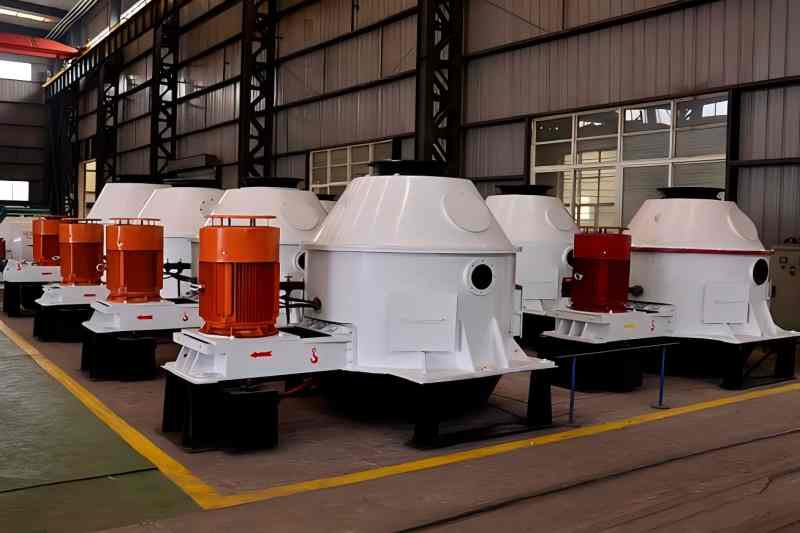
The purchase price of a vertical centrifuge machine represents only part of the total investment. Over years of operation, maintenance requirements, energy consumption, spare parts, and downtime often have a greater impact on the overall cost.
A machine with a lower initial price may require more frequent repairs or component replacement if it is not designed for the working environment. In contrast, equipment selected according to actual process conditions can provide more stable performance and reduce unexpected expenses.
Maintenance planning should include regular inspection of wear components, monitoring of operating conditions, and timely adjustment of machine settings. These actions help prevent small problems from developing into major production interruptions.
Energy consumption is also part of long-term cost evaluation. Since industrial centrifuges often operate for extended periods, efficient operation can contribute to better cost control throughout the equipment lifecycle.
When process requirements are complex or operating conditions vary, technical evaluation can help companies make better equipment decisions. CICE’s engineering team can provide further technical consultation for industrial separation applications based on material characteristics and production needs.
A vertical centrifuge machine should always be selected according to the industry environment where it will operate. Different industries may have different expectations for separation performance, equipment durability, cleaning requirements, and operating conditions.
In mineral processing, centrifuges are commonly used to remove moisture from solid materials and improve handling efficiency. These applications often require equipment capable of handling abrasive materials and continuous production demands.
Chemical processing applications may place greater emphasis on corrosion resistance, material compatibility, and stable operation under changing process conditions. Food, pharmaceutical, and environmental applications may focus more on cleanliness, reliability, and process control.
The best equipment choice depends on how the centrifuge fits into the complete production system. A properly selected vertical centrifuge machine should support the required separation results while matching the practical needs of daily operation.
Choosing a vertical centrifuge machine is a process decision that requires consideration of material characteristics, separation targets, equipment structure, maintenance requirements, and application conditions. Focusing only on specifications or purchase price may overlook factors that determine long-term performance.
A well-matched centrifuge can help improve separation consistency, reduce operating disruptions, and provide better value throughout its service life. By evaluating the complete relationship between the material, process, and equipment design, companies can make more reliable decisions for solid-liquid separation applications.
For industrial users, selecting the right separation equipment at the beginning can significantly influence future production efficiency and maintenance costs. Working with an experienced supplier like CICE allows companies to evaluate their requirements more effectively and choose solutions suited to their operating environment.
The right choice depends on material properties, required separation results, processing capacity, operating conditions, and maintenance expectations.
Particle size, solid concentration, moisture content, and chemical properties influence separation efficiency and equipment durability.
Not necessarily. Equipment capacity should match actual production requirements to avoid unnecessary investment and inefficient operation.
Users should evaluate wear part replacement, inspection requirements, component accessibility, and long-term operating stability.
Yes. Vertical centrifuge machines are used in industries such as mining, chemical processing, environmental treatment, and other solid-liquid separation applications.
Energy consumption, maintenance frequency, spare parts, and downtime can significantly affect the total cost of owning and operating the equipment.


Contact Us
 English
  日本語
日本語  français
  Deutsch
  Español
  italiano
  русский
  português
  العربية
  română
  Nederland


 日本語
日本語