0086-379-64086155
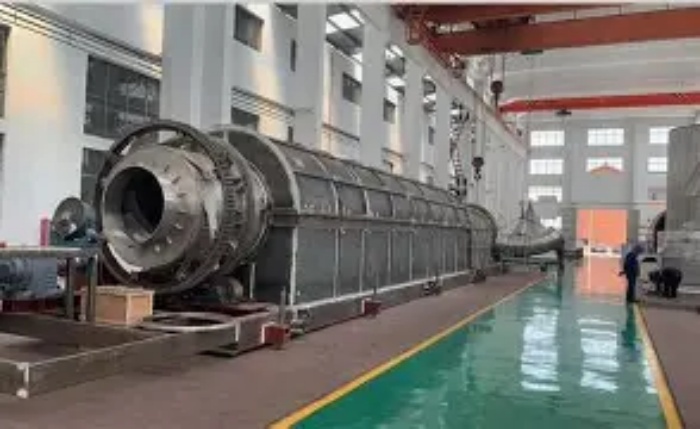
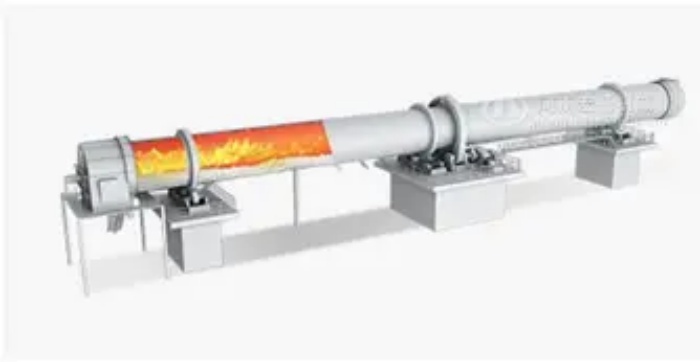
A rotary kiln consists of several key structural subsystems, each engineered for reliability under extreme thermal and mechanical stress:
Shell (Kiln Body): A welded steel cylinder, typically 2–6 meters in diameter and 30–200 meters in length. Constructed from boiler-grade steel plate, the shell provides the structural backbone and forms the physical containment for the process. Shell thickness ranges from 20 to 80 mm depending on kiln diameter.
Refractory Lining: A multi-layer insulation and wear-resistant brickwork installed on the inner surface. The refractory serves three purposes: protecting the steel shell from high temperatures, reducing heat loss, and resisting chemical attack from the material bed. Typical materials include magnesia-spinel, high-alumina, and dolomite bricks, selected according to the process temperature and chemical environment.
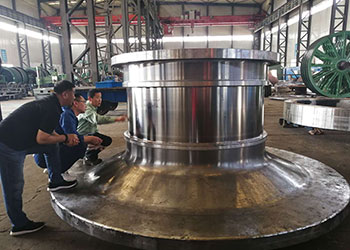
Tyres (Riding Rings) and Support Rollers: The entire weight of the kiln is transmitted through forged steel tyres to sets of support rollers. Tyres are loose-fitted on the shell and allow thermal expansion without binding. Support rollers are mounted on reinforced concrete piers and guide the kiln's rotation while bearing the full mechanical load.
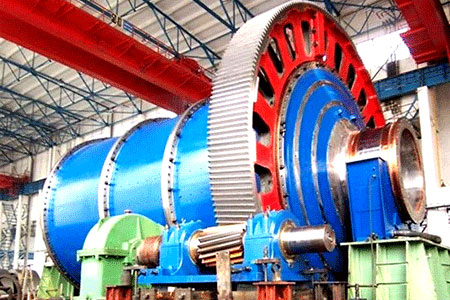
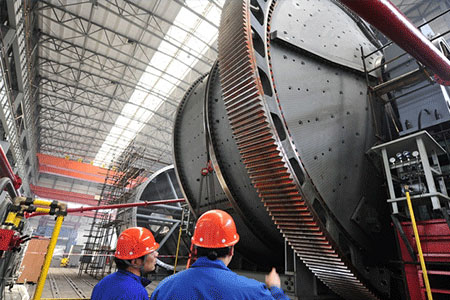
Girth Gear and Drive System: A large segmented gear ring encircles the shell near mid-span, meshing with one or two pinion gears driven by electric motors through a gearbox. Modern systems often employ variable-frequency drives for precise speed control. An auxiliary drive (slow-drive) is provided for maintenance and emergency conditions.
Burner and Combustion System: Located at the discharge end hood, the burner fires fuels such as natural gas, pulverised coal, or heavy oil into the kiln interior. The flame shape, length, and intensity are carefully tuned to match the process requirements of the material being treated.
Hood and Sealing System: The feed-end and discharge-end hoods are equipped with labyrinth or graphite-block seals to prevent ambient air ingress and hot gas leakage, which are critical for maintaining process efficiency and safety.


Contact Us
 English
  日本語
日本語  français
  Deutsch
  Español
  italiano
  русский
  português
  العربية
  română
  Nederland


 日本語
日本語