0086-379-64086155
Ductile iron is a kind of high-strength cast iron material that was developed in the 1950s of the 20th century. Its comprehensive performance is close to that of steel. Precisely because of its excellent properties, it has been successfully used in casting some parts with complex stress conditions and high requirements for strength, toughness and wear resistance.
Ductile iron is a type of cast iron in which the graphite crystallizes in a spherical shape. This is achieved by adding a certain amount of nodulizer and inoculant to the molten iron before casting. The presence of spherical graphite significantly improves the mechanical properties of the cast iron, endowing it with both the strength of steel and the casting performance of cast iron.
In the production process of ductile iron, nodularization treatment is required (usually using nodulizers such as magnesium and calcium, which react with impurities like sulfur and oxygen in the molten iron and simultaneously promote the graphite to crystallize into spherical shapes) and inoculation treatment (after the nodularization treatment, an inoculant such as ferrosilicon alloy is added to the molten iron. The function of the inoculant is to increase the number of graphite nuclei, refine the graphite spheres, and improve the mechanical and machining properties of the cast iron). During melting and casting, the molten iron that has undergone nodularization and inoculation treatments is heated to an appropriate temperature for melting, and then it is poured into a pre - prepared mold. After cooling and solidification, ductile iron castings can be obtained.
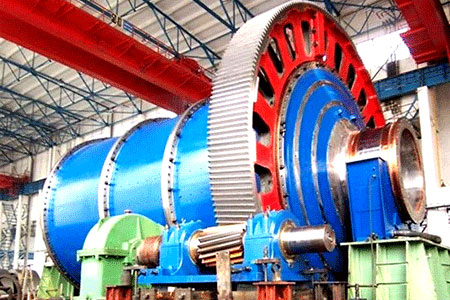
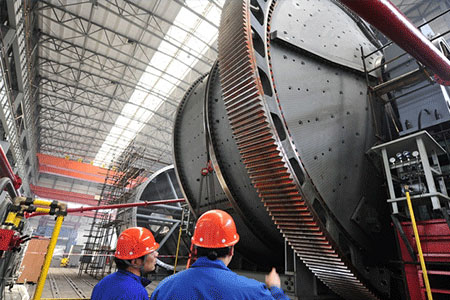
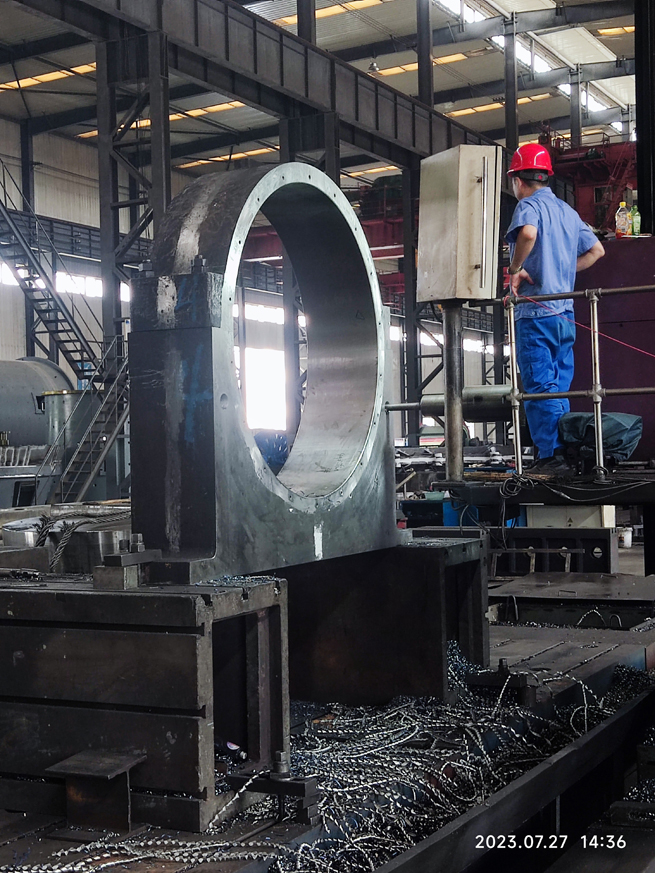
Ductile iron has the characteristics of high tensile strength and yield strength, enabling it to withstand large deformations without cracking. It also has high toughness and ductility, allowing it to endure significant deformations without breaking. Additionally, it features good wear resistance, corrosion resistance, and strong shock absorption ability.It is widely applied in mechanical manufacturing for products such as gears, pistons, crankshafts, engine cylinder blocks, and cylinder heads. In the ore metallurgy industry, it is used to make wear-resistant materials like the gear rings of ball mills, the hammers of crushers, and liners. Its wear resistance enables it to adapt to the harsh working conditions in mines, reducing the maintenance costs and downtime of equipment.Due to its corrosion resistance and high compressive strength, it is also extensively used in the fields of urban water supply and drainage pipelines and gas transmission pipelines.
However, ductile iron still has some disadvantages, such as high requirements for raw materials (specific nodulizers and inoculants are needed), complex production processes, limited low-temperature toughness, and relatively high costs.
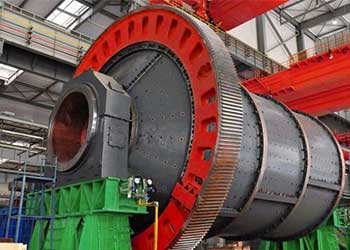
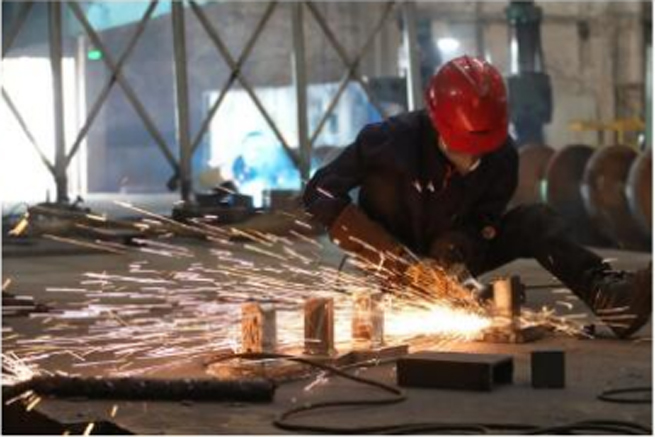
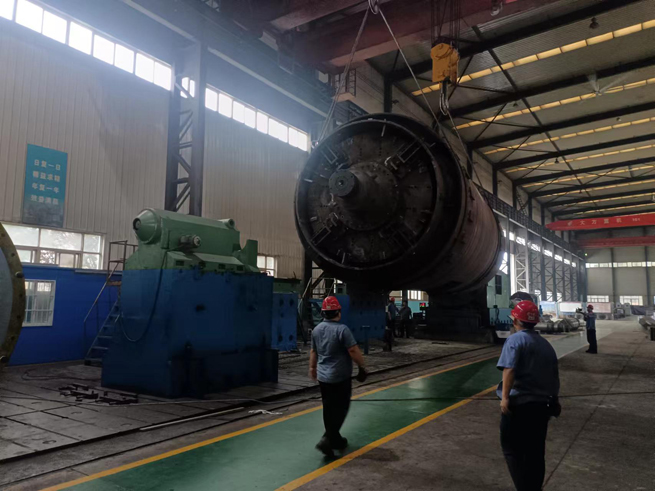
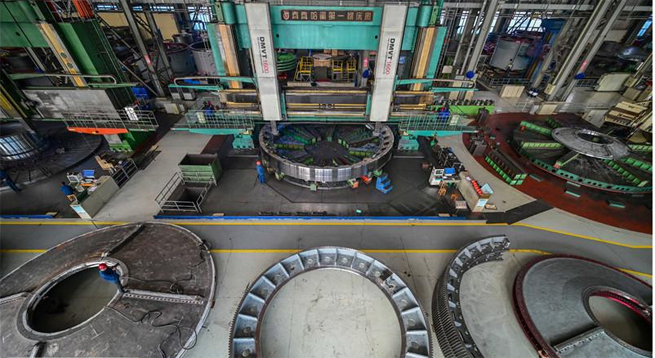
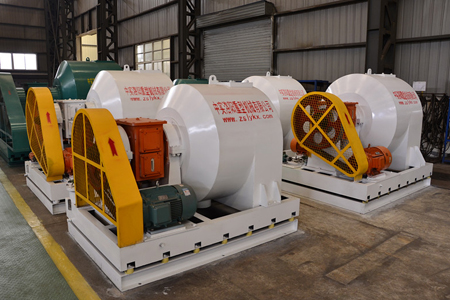
As a group company integrating product development and design, production and manufacturing, installation and commissioning, and technical services, the products of CITIC IC covers more than a dozen fields, including mining, metallurgy, building materials, washing and separation, ships, petrochemicals, new energy, as well as related supporting fields such as automatic control, engineering plastics, high-power reducers, and large-scale castings and forgings.CITIC IC has decades of professional production experience in manufacturing large-scale ball mills. The products produced by CITIC IC, including rotary kilns, not only enjoy a good reputation in the domestic market, but also the ball mills have been successfully exported to countries such as Russia, Peru, Turkey, and Laos.CITIC IC has the strength and confidence to provide customers with high-quality products and services.


Contact Us
 English
  日本語
日本語  français
  Deutsch
  Español
  italiano
  русский
  português
  العربية
  română
  Nederland


 日本語
日本語