0086-379-64086155
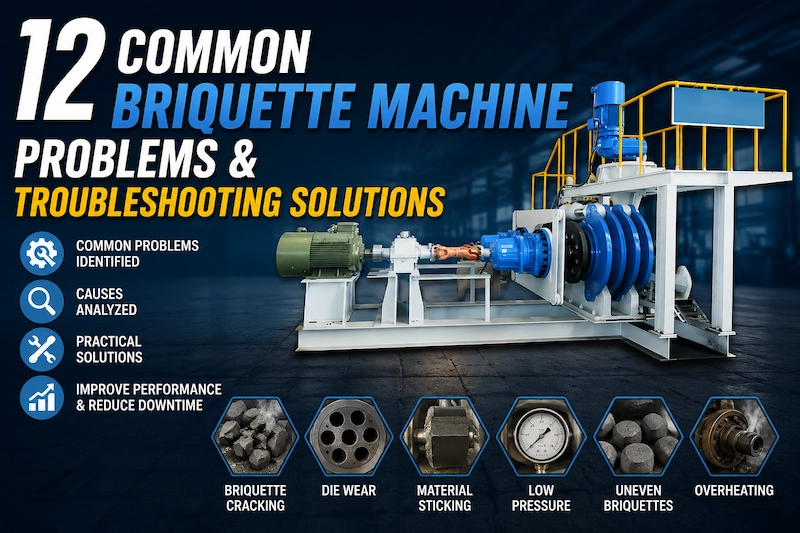
Briquette machines play a critical role in transforming fine powders, mineral concentrates, coal dust, coke fines, iron ore fines, metallurgical waste, and other bulk materials into high-density briquettes. Whether you operate a coal briquetting plant, a mineral processing facility, or a recycling production line, machine downtime can directly affect production efficiency and profitability.
Most briquette machine failures are preventable when operators understand the root causes and implement proper maintenance procedures. This guide covers 12 of the most common briquette machine problems, their likely causes, and practical troubleshooting solutions.
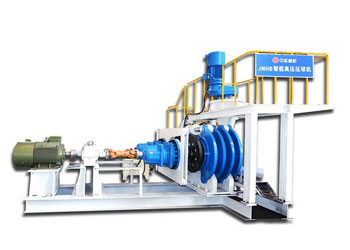
Although the specific design may vary, the recommendations below apply to most modern ball pressing machine systems used in mining, metallurgy, chemical processing, and biomass industries.
Briquettes develop visible cracks.
Products break during transportation.
Low drop strength.
Insufficient binder dosage.
Poor raw material mixing.
Excessively dry feed material.
Inadequate pressing pressure.
Optimize binder formulation.
Improve mixer performance.
Adjust material moisture content.
Check roller pressure settings.
Briquettes easily crumble by hand.
Poor resistance to storage and handling.
Incorrect moisture content.
Insufficient compaction force.
Low-quality raw materials.
Worn roller molds.
Maintain consistent feed moisture.
Increase hydraulic or mechanical pressure.
Replace worn roller surfaces.
Optimize particle size distribution.
Material accumulates on roller pockets.
Irregular briquette shape.
Reduced production capacity.
Excessive moisture.
Sticky raw materials.
Damaged mold surfaces.
Reduce moisture levels.
Apply anti-sticking treatments.
Repair or replace roller molds.
Improve feed preparation.
Different briquette sizes.
Incomplete briquette formation.
Poor product appearance.
Uneven feeding.
Roller misalignment.
Inconsistent material flow.
Inspect feeding equipment.
Align rollers correctly.
Maintain stable feed rates.
Reduced briquette quality.
Loss of mold detail.
Frequent roller replacement.
Highly abrasive materials.
Poor roller material selection.
Improper lubrication.
Use wear-resistant alloy rollers.
Implement regular lubrication schedules.
Monitor operating pressure.
Lower output than design specifications.
Production bottlenecks.
Feed system restrictions.
Roller wear.
Motor performance issues.
Material preparation problems.
Inspect feeding conveyors.
Evaluate roller condition.
Check motor power consumption.
Optimize raw material preparation.
Machine shaking.
Abnormal noises.
Foundation movement.
Imbalanced rollers.
Loose bolts.
Bearing damage.
Foundation instability.
Balance rotating components.
Tighten structural connections.
Replace damaged bearings.
Inspect foundation integrity.
High bearing temperature.
Lubricant degradation.
Unexpected shutdowns.
Insufficient lubrication.
Bearing contamination.
Excessive load.
Improper installation.
Follow lubrication schedules.
Use appropriate grease types.
Monitor operating loads.
Replace damaged bearings promptly.
Motor trips.
Current spikes.
Reduced machine efficiency.
Overfeeding.
Mechanical blockage.
Incorrect motor sizing.
Excessive material moisture.
Reduce feed rate.
Remove blockages.
Verify motor specifications.
Improve material conditioning.
Interrupted material flow.
Production stoppages.
Inconsistent briquette quality.
High moisture content.
Large particle sizes.
Poor hopper design.
Improve material screening.
Control feed moisture.
Install vibration-assisted feeders.
Weak briquette formation.
Pressure fluctuations.
Slow machine response.
Hydraulic leaks.
Worn seals.
Pump failure.
Contaminated hydraulic oil.
Inspect hoses and fittings.
Replace damaged seals.
Maintain hydraulic pumps.
Regularly replace hydraulic oil.
Dust accumulation.
Poor working environment.
Material loss.
Dry feed material.
Insufficient dust collection.
Poor transfer point sealing.
Install dust extraction systems.
Improve sealing structures.
Optimize material moisture.
| Inspection Item | Frequency |
|---|---|
| Roller Wear Inspection | Weekly |
| Bearing Temperature Check | Daily |
| Lubrication System Inspection | Daily |
| Hydraulic Oil Check | Weekly |
| Belt and Coupling Inspection | Weekly |
| Motor Current Monitoring | Daily |
| Dust Collection System Check | Monthly |
| Foundation Inspection | Quarterly |
Proper maintenance practices can significantly extend equipment lifespan and reduce operating costs. For most industrial ball pressing machine installations, the following strategies are highly effective:
Use consistent raw material quality.
Control particle size distribution.
Maintain proper moisture levels.
Follow lubrication schedules.
Monitor bearing temperatures.
Inspect roller wear regularly.
Train operators on proper machine operation.
Maintain spare parts inventory.
Incorrect moisture content and inadequate binder formulation are responsible for many briquetting issues.
Service life depends on material abrasiveness, operating pressure, and roller material quality. High-quality alloy rollers can operate for thousands of production hours before replacement.
Yes, but roller design, pressure settings, and binder systems may need adjustment for different feedstocks.
Hydraulic systems generally offer greater pressure control and flexibility, while mechanical systems may provide lower operating costs in high-volume applications.
Most briquette machine failures can be prevented through proper material preparation, routine maintenance, and timely replacement of wear components. Understanding the root causes of common issues such as cracking, low strength, roller wear, hydraulic pressure loss, and feeding blockages helps operators maintain stable production and maximize equipment availability.
For companies investing in a new ball pressing machine, evaluating machine quality, roller durability, maintenance support, spare parts availability, and after-sales service is just as important as comparing purchase prices. A reliable briquetting system can deliver years of efficient operation while minimizing downtime and production losses.


Contact Us
 English
  日本語
日本語  français
  Deutsch
  Español
  italiano
  русский
  português
  العربية
  română
  Nederland


 日本語
日本語